Yep, we may get a tiny thank-you (read: commission) when you buy through
links on Gadgetspotr — not enough for a yacht, but enough to keep the lights (and
servers) on.
Learn more
37
Highlights
63
Differences
9
Reactions
0
Likes
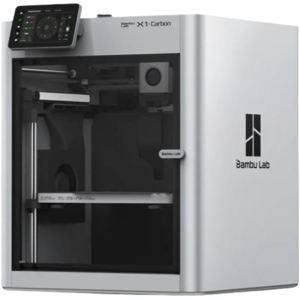
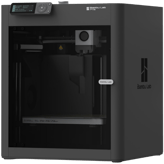
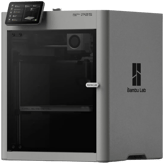
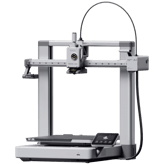
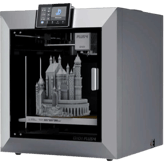
Bambu Lab H2S
vs
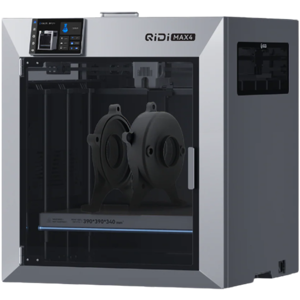
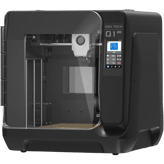
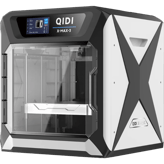
QIDI Max4:
37 Highlights & 63 Differences —
So, Which 3D Printer Actually Works Better
Discover which 3D printer matches your level of expertise and printing priorities with this straightforward clash.
What sets Bambu Lab H2S apart from QIDI Max4? This 3d printers face-off compares specs like height, package weight, frame type & connectivity options and beyond.
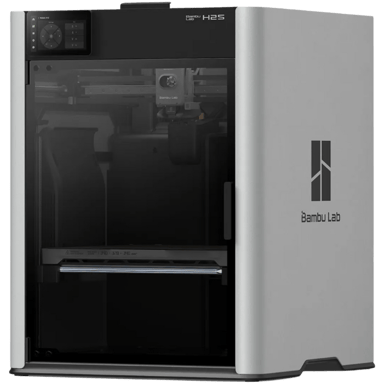
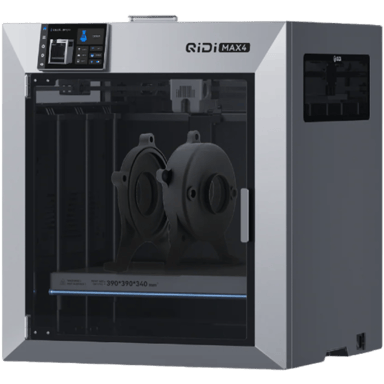
Bambu Lab H2S vs QIDI Max4: A Detailed Look at Two Professional FDM 3D Printers
When it comes to professional-grade FDM/FFF 3D printers, both the Bambu Lab H2S and QIDI Max4 are compelling options. They share many core features that appeal to advanced users aiming for precision and reliability in prototyping. Both sport single direct drive extruders with quick-swap nozzles, support the 1.75mm filament diameter, and provide a fully enclosed CoreXY frame with heated chambers and carbon filtration. On top of that, you get advanced touches like auto bed leveling, filament runout sensors, power loss recovery, and onboard cameras, all visible through their roughly 5-inch touchscreen displays.
However, these printers diverge significantly in key areas such as build volume, print speed, material support, software ecosystems, and power consumption, making each better suited to specific user needs and environments. The QIDI Max4 offers a gargantuan build capacity nearly 4.7 times that of the Bambu Lab H2S, ideal for users needing larger prototype parts, while the latter shines with blazing fast 500 mm/s print speeds and an expansive filament compatibility portfolio.
Rapid Precision and Smart Ecosystem: The Bambu Lab H2S Advantage
The Bambu Lab H2S, released in 2023, presents itself as a powerhouse geared for users focused on efficiency and flexibility. Its official maximum print speed of 500 mm/s and effective print speed instantly position it as one of the fastest printers in this category. Coupled with a layer resolution as fine as 80 microns, it achieves great precision and detail quickly. Though its build volume is comparatively compact at just over 1000 inch³ (10.08x10.08x10.08 inch), this suits labs or offices where space is premium without sacrificing quality.
Material versatility is a defining trait; the H2S supports a broad spectrum, including PLA, ABS, PETG, Nylon, TPU, Carbon Fiber, and even specialty engineering plastics like PVA, PA, PC, and ASA. The maximum extruder temperature of 572°F allows more advanced filament handling. Printing workflow is seamless with cloud-based software, multi-printer fleet control, and mobile app integration, making remote management and scalability a breeze.
It requires assembly and some maintenance effort, like lubrication, but upgrades like the AMS multi-material system are supported. Safety certifications include CE and FCC, and it boasts advanced filament sensors such as vibration detection and print log storage, which help maintain print success rates near 95%. The power consumption at 350W active is modest, highlighting energy efficiency despite its performance.
Built for Volume and Convenience: What Makes QIDI Max4 Stand Out
On the other hand, the QIDI Max4, launched in 2024, caters to users needing large-format printing without the hassle of assembly. Coming prebuilt and ready to run, it shines for those who want plug-and-play simplicity. Its build volume of 4843 inch³ (15.35x15.35x13.39 inch) dwarfs the H2S, making it an excellent choice for bigger prototypes or batch production.
Print speeds are more moderate, with a maximum of around 180 mm/s and an effective speed of 300 mm/s, still respectable but less geared toward ultra-rapid iterations. The extruder heats up to 698°F, catering to high-temp specialty filaments, though the supported materials list is less extensive, focusing mainly on standard carbon fiber and common filaments.
QIDI Max4's software ecosystem differs significantly. It works with LAN connectivity and supports slicing via Cura but lacks cloud software, mobile apps, or fleet management features. Its filament auto-loading feature adds convenience and reduces user intervention. Safety is bolstered by an emergency stop button and auto-shutdown on errors, a nice addition for environments prioritizing immediate control. Maintenance benefits from tool-free access and a defined service interval of 500 hours, making upkeep straightforward.
Despite its less efficient power usage at 1350W active, the Max4's ease of use and build-to-printer size ratio of 36 make it a compelling choice for users prioritizing space usage efficiency and larger projects.
Quick Take
The Bambu Lab H2S excels in delivering ultra-fast printing speeds and supports a wide spectrum of advanced filaments, with a modern cloud-connected software ecosystem perfect for professional users who value control and scalability. Meanwhile, the QIDI Max4 shines as a large-volume, preassembled option with user-friendly features like filament auto-loading and easy maintenance, making it ideal for those who want simplicity and bigger print capacity without sacrificing quality.
Bottom Line
Choosing between the Bambu Lab H2S and QIDI Max4 largely depends on your printing priorities. If speed, filament versatility, and remote ecosystem features matter most, the H2S is the clear winner, particularly for users comfortable with initial assembly and upgrades. However, if your projects require a much larger build volume and you prefer a ready-to-use device with practical features for convenience and safer operation, the QIDI Max4 delivers excellent value at a lower price point.
Verdict
Winner: Bambu Lab H2S - Outstanding for ultra-fast, precise printing with broad material support and advanced cloud-connected management.
Runner-up: QIDI Max4 - Best for large build volume, plug-and-play setup, and user-friendly maintenance at a more affordable price.
The Assembly Type in Bambu Lab H2S is Kit while in QIDI Max4 it is Prebuilt, impacting the setup time and effort required for each printer.
Shows whether the printer is sold as a kit requiring assembly or fully prebuilt.
In the battle of Assembly Type,
Bambu Lab H2S ◉ is
same as
QIDI Max4 ◉
.
Don’t keep it to yourself — be the first to react and review the
Assembly Type on Bambu Lab H2S ◉
vs QIDI Max4 ◉ and help others decide!
Intended Use
What is the intended use?
0
Bambu Lab H2S
0Votes
Professional, Consumer
0
QIDI Max4
0Votes
Consumer
Bambu Lab H2S
The printer is designed for both Professional and Consumer use, offering features that appeal to a broad range of users.
QIDI Max4
This printer is primarily intended for Consumer use, targeting hobbyists and individuals for personal projects and prototyping.
Identifies the main user category.
In the battle of Intended Use,
Bambu Lab H2S ◉ is
same as
QIDI Max4 ◉
.
Don’t keep it to yourself — be the first to react and review the
Intended Use on Bambu Lab H2S ◉
vs QIDI Max4 ◉ and help others decide!
Target User Level
What is the target user level?
0
Bambu Lab H2S
0Votes
Intermediate, Advanced, Professional
0
QIDI Max4
0Votes
Advanced, Professional
vs
Target User Level
Bambu Lab H2S targets Intermediate, Advanced, and Professional users, whereas QIDI Max4's Intended Use is Consumer, defining the potential skill level and use cases expected.
Indicates the recommended skill level.
In the battle of Target User Level,
Bambu Lab H2S ◉ is
same as
QIDI Max4 ◉
.
Don’t keep it to yourself — be the first to react and review the
Target User Level on Bambu Lab H2S ◉
vs QIDI Max4 ◉ and help others decide!
Upgrade Path
Does it support an upgrade path?
Yes
0Votes
Bambu Lab H2S
Yes
0Votes
QIDI Max4
Bambu Lab H2S
The printer is designed with an upgrade path, allowing users to enhance its capabilities over time.
QIDI Max4
The printer offers an upgrade path, indicating that it can be enhanced or expanded with future components or features.
Whether the printer can be expanded with official or third-party upgrades.
In the battle of Upgrade Path,
Bambu Lab H2S ◉ is
same as
QIDI Max4 ◉
.
Don’t keep it to yourself — be the first to react and review the
Upgrade Path on Bambu Lab H2S ◉
vs QIDI Max4 ◉ and help others decide!
Printer Type
What type of printer is it?
0
Bambu Lab H2S
0Votes
FDM/FFF
0
QIDI Max4
0Votes
FDM/FFF
vs
Printer Type
Both Bambu Lab H2S and QIDI Max4 share the same Printer Type, FDM/FFF, meaning they use similar printing technology suitable for diverse applications.
Defines the printing technology used by the machine.
In the battle of Printer Type,
Bambu Lab H2S ◉ is
same as
QIDI Max4 ◉
.
Don’t keep it to yourself — be the first to react and review the
Printer Type on Bambu Lab H2S ◉
vs QIDI Max4 ◉ and help others decide!
Supported Applications
What applications are supported?
0
Bambu Lab H2S
0Votes
Prototyping, Engineering
0
QIDI Max4
0Votes
Prototyping
vs
Supported Applications
Bambu Lab H2S supports applications mostly in Prototyping and Engineering, with no corresponding value available for QIDI Max4, suggesting focus on professional use for Bambu Lab.
Lists the most common applications supported.
In the battle of Supported Applications,
Bambu Lab H2S ◉ is
same as
QIDI Max4 ◉
.
Don’t keep it to yourself — be the first to react and review the
Supported Applications on Bambu Lab H2S ◉
vs QIDI Max4 ◉ and help others decide!
Assembly Required
Is assembly required?
Yes
0Votes
Bambu Lab H2S
No
0Votes
QIDI Max4
Bambu Lab H2S
Some assembly is required to set up the printer before its first use.
States if the printer requires assembly.
In the battle of Assembly Required,
Bambu Lab H2S ◉ is
worse than
QIDI Max4 ◉
.
Don’t keep it to yourself — be the first to react and review the
Assembly Required on Bambu Lab H2S ◉
vs QIDI Max4 ◉ and help others decide!
Product Name
What is the product name?
0
Bambu Lab H2S
0Votes
Bambu Lab H2S
0
QIDI Max4
0Votes
QIDI Max4
The commercial name of the 3D printer.
In the battle of Product Name,
Bambu Lab H2S ◉ is
same as
QIDI Max4 ◉
.
Don’t keep it to yourself — be the first to react and review the
Product Name on Bambu Lab H2S ◉
vs QIDI Max4 ◉ and help others decide!
Model Number
What is the model number?
0
Bambu Lab H2S
0Votes
H2S
0
QIDI Max4
0Votes
Max4
Manufacturer’s reference code for precise identification.
In the battle of Model Number,
Bambu Lab H2S ◉ is
same as
QIDI Max4 ◉
.
Don’t keep it to yourself — be the first to react and review the
Model Number on Bambu Lab H2S ◉
vs QIDI Max4 ◉ and help others decide!
Release Year
What is the release year?
0
Bambu Lab H2S
0Votes
2023
0
QIDI Max4
0Votes
2024
vs
Release Year
The Release Year for Bambu Lab H2S is 2023, while QIDI Max4's release year is not specified, possibly indicating a newer model with more recent features.
The year the 3D printer was first released.
In the battle of Release Year,
Bambu Lab H2S ◉ is
same as
QIDI Max4 ◉
.
Don’t keep it to yourself — be the first to react and review the
Release Year on Bambu Lab H2S ◉
vs QIDI Max4 ◉ and help others decide!
Country of Origin
What is the country of origin?
0
Bambu Lab H2S
0Votes
China
0
QIDI Max4
0Votes
China
The country where the product is designed or manufactured.
In the battle of Country of Origin,
Bambu Lab H2S ◉ is
same as
QIDI Max4 ◉
.
Don’t keep it to yourself — be the first to react and review the
Country of Origin on Bambu Lab H2S ◉
vs QIDI Max4 ◉ and help others decide!
Warranty Period
What is the warranty period?
0
Bambu Lab H2S
0Votes
1 Year
0
QIDI Max4
0Votes
1 Year
Coverage period offered by the manufacturer.
In the battle of Warranty Period,
Bambu Lab H2S ◉ is
same as
QIDI Max4 ◉
.
Don’t keep it to yourself — be the first to react and review the
Warranty Period on Bambu Lab H2S ◉
vs QIDI Max4 ◉ and help others decide!
Power consumption really matters if you print a lot and the Bambu Lab H2s uses only 350W while the QIDI Max4 uses way more at 1350W so I'm leaning towards the Bambu for energy savings.
Power Supply Voltage for both Bambu Lab H2S and QIDI Max4 is 100-240 Volt, meaning they are compatible with international voltage standards.
Voltage input supported by the printer’s power supply.
In the battle of Power Supply Voltage,
Bambu Lab H2S ◉ is
same as
QIDI Max4 ◉
.
Don’t keep it to yourself — be the first to react and review the
Power Supply Voltage on Bambu Lab H2S ◉
vs QIDI Max4 ◉ and help others decide!
Operating Temperature Range
What is the operating temperature range?
0
Bambu Lab H2S
0Votes
50-86°F
0
QIDI Max4
0Votes
59-86°F
vs
Operating Temperature Range
Operating Temperature Range for Bambu Lab H2S is 50-86°F while QIDI Max4 does not specify this value, making environment suitability comparison limited.
Recommended ambient temperature range for safe operation.
In the battle of Operating Temperature Range,
Bambu Lab H2S ◉ is
same as
QIDI Max4 ◉
.
Don’t keep it to yourself — be the first to react and review the
Operating Temperature Range on Bambu Lab H2S ◉
vs QIDI Max4 ◉ and help others decide!
Operating Humidity Range
What is the operating humidity range?
0
Bambu Lab H2S
0Votes
30-80%
0
QIDI Max4
0Votes
20-80%
QIDI Max4
The optimal operating humidity range is 20-80%, ensuring reliable performance and print quality.
Acceptable humidity range during printer operation.
In the battle of Operating Humidity Range,
Bambu Lab H2S ◉ is
same as
QIDI Max4 ◉
.
Don’t keep it to yourself — be the first to react and review the
Operating Humidity Range on Bambu Lab H2S ◉
vs QIDI Max4 ◉ and help others decide!
Power Supply Type
What type of power supply does it use?
0
Bambu Lab H2S
0Votes
Internal
0
QIDI Max4
0Votes
Internal
Bambu Lab H2S
The printer uses an Internal power supply, which often contributes to a cleaner setup and improved aesthetics.
Indicates whether the printer uses an internal or external power supply.
In the battle of Power Supply Type,
Bambu Lab H2S ◉ is
same as
QIDI Max4 ◉
.
Don’t keep it to yourself — be the first to react and review the
Power Supply Type on Bambu Lab H2S ◉
vs QIDI Max4 ◉ and help others decide!
Storage Temperature Range
What is the storage temperature range?
0
Bambu Lab H2S
0Votes
-20℃-40℃
0
QIDI Max4
0Votes
32-104°F
vs
Storage Temperature Range
Storage Temperature Range for Bambu Lab H2S is -20°C to 40°C, versus QIDI Max4 at 32-104°F, indicating Bambu Lab supports lower storage temperatures.
Safe temperature range for storing the printer when not in use.
In the battle of Storage Temperature Range,
Bambu Lab H2S ◉ is
same as
QIDI Max4 ◉
.
Don’t keep it to yourself — be the first to react and review the
Storage Temperature Range on Bambu Lab H2S ◉
vs QIDI Max4 ◉ and help others decide!
Storage Humidity Range
What is the storage humidity range?
0
Bambu Lab H2S
0Votes
30-80%
0
QIDI Max4
0Votes
10-90%
Safe humidity range for storing the printer.
In the battle of Storage Humidity Range,
Bambu Lab H2S ◉ is
same as
QIDI Max4 ◉
.
Don’t keep it to yourself — be the first to react and review the
Storage Humidity Range on Bambu Lab H2S ◉
vs QIDI Max4 ◉ and help others decide!
Idle Power Consumption
What is the idle power consumption?
15
Watt
0Votes
15
Watt
0Votes
Power drawn while the printer is on but not printing.
In the battle of Idle Power Consumption,
Bambu Lab H2S ◉ is
same as
QIDI Max4 ◉
, delivering
equal
15.00 Watt
measurement.
Don’t keep it to yourself — be the first to react and review the
Idle Power Consumption on Bambu Lab H2S ◉
vs QIDI Max4 ◉ and help others decide!
Energy Saving Mode
Does it have energy saving mode?
No
0Votes
Bambu Lab H2S
Yes
0Votes
QIDI Max4
vs
Energy Saving Mode
Energy Saving Mode information is not available for both Bambu Lab H2S and QIDI Max4, so energy-saving features cannot be compared.
Whether the printer includes an energy-saving or eco mode.
In the battle of Energy Saving Mode,
Bambu Lab H2S ◉ is
worse than
QIDI Max4 ◉
.
Don’t keep it to yourself — be the first to react and review the
Energy Saving Mode on Bambu Lab H2S ◉
vs QIDI Max4 ◉ and help others decide!
Build volume is a big deal for me and the QIDI Max4 kills it with 4843 cubic inches compared to Bambu Lab H2S's 1023.79. Definitely prefer the space to print bigger stuff.
Layer resolution minimum is super important for detail and the QIDI Max4's 50 microns looks sharper than the Bambu Lab's 80 microns though I appreciate the Bambu's consistency.
In the battle of Layer Resolution Maximum,
Bambu Lab H2S ◉ is
better than
QIDI Max4 ◉
, delivering
higher
20.0 microns
measurement.
Don’t keep it to yourself — be the first to react and review the
Layer Resolution Maximum on Bambu Lab H2S ◉
vs QIDI Max4 ◉ and help others decide!
Standard Nozzle Diameter
What is the standard nozzle diameter?
0.4
mm
0Votes
0.4
mm
0Votes
QIDI Max4
The standard nozzle diameter is 0.4 mm, a common size that provides a good balance between print speed and detail for general-purpose printing.
Default nozzle diameter provided.
In the battle of Standard Nozzle Diameter,
Bambu Lab H2S ◉ is
same as
QIDI Max4 ◉
, delivering
equal
0.40 mm
measurement.
Don’t keep it to yourself — be the first to react and review the
Standard Nozzle Diameter on Bambu Lab H2S ◉
vs QIDI Max4 ◉ and help others decide!
Filament Diameter Supported
What filament diameter is supported?
1.75
mm
0Votes
1.75
mm
0Votes
QIDI Max4
The printer supports 1.75 mm filament diameter, which is a standard size for FDM 3D printing.
The filament size compatible with printer.
In the battle of Filament Diameter Supported,
Bambu Lab H2S ◉ is
same as
QIDI Max4 ◉
, delivering
equal
1.75 mm
measurement.
Don’t keep it to yourself — be the first to react and review the
Filament Diameter Supported on Bambu Lab H2S ◉
vs QIDI Max4 ◉ and help others decide!
Max Extruder Temperature
What is the max extruder temperature?
572
°F
0Votes
698
°F
0Votes
Bambu Lab H2S
The maximum extruder temperature reaches 572 °F (300 °C), allowing it to process high-temperature filaments like ABS, PC, and Nylon.
Maximum heating capability of extruder.
In the battle of Max Extruder Temperature,
Bambu Lab H2S ◉ is
worse than
QIDI Max4 ◉
, delivering
lower
126.0 °F
measurement.
Don’t keep it to yourself — be the first to react and review the
Max Extruder Temperature on Bambu Lab H2S ◉
vs QIDI Max4 ◉ and help others decide!
Number of Extruders
How many extruders does the printer have?
0
Bambu Lab H2S
0Votes
1
0
QIDI Max4
0Votes
1
QIDI Max4
This printer is equipped with 1 extruder, capable of printing with a single material at a time.
total extruders installed.
In the battle of Number of Extruders,
Bambu Lab H2S ◉ is
same as
QIDI Max4 ◉
.
Don’t keep it to yourself — be the first to react and review the
Number of Extruders on Bambu Lab H2S ◉
vs QIDI Max4 ◉ and help others decide!
Hotend Replaceable
Is the hotend replaceable?
Yes
0Votes
Bambu Lab H2S
Yes
0Votes
QIDI Max4
vs
Hotend Replaceable
The Hotend on Bambu Lab H2S is replaceable but there is no info for QIDI Max4 on this feature, impacting maintenance flexibility.
Whether the hotend can be replaced.
In the battle of Hotend Replaceable,
Bambu Lab H2S ◉ is
same as
QIDI Max4 ◉
.
Don’t keep it to yourself — be the first to react and review the
Hotend Replaceable on Bambu Lab H2S ◉
vs QIDI Max4 ◉ and help others decide!
Extruder Drive Type
What type of extruder drive does it use?
0
Bambu Lab H2S
0Votes
Direct Drive
0
QIDI Max4
0Votes
Direct Drive
Bambu Lab H2S
The printer uses a Direct Drive extruder, which positions the motor directly above the hotend, offering better control over filament feeding and improved performance with flexible materials.
The type of filament feeding system.
In the battle of Extruder Drive Type,
Bambu Lab H2S ◉ is
same as
QIDI Max4 ◉
.
Don’t keep it to yourself — be the first to react and review the
Extruder Drive Type on Bambu Lab H2S ◉
vs QIDI Max4 ◉ and help others decide!
Optional Nozzle Sizes for Bambu Lab H2S are 0.2mm, 0.4mm, 0.6mm, and 0.8mm; QIDI Max4 does not provide this info, limiting customizable print resolution options comparison.
Alternative nozzle sizes supported.
In the battle of Optional Nozzle Sizes,
Bambu Lab H2S ◉ is
same as
QIDI Max4 ◉
.
Based on community votes for Optional Nozzle Sizes,
Bambu Lab H2S ◉ earned
1 votes,
more than
QIDI Max4 ◉,
which got 0 votes.
Both support the 1.75mm filament diameter which is pretty standard. No contest here on this one just a nice match.
See more
Build Width
What is the build width?
10.08
inch
0Votes
15.35
inch
0Votes
Maximum printable width of the build area.
In the battle of Build Width,
Bambu Lab H2S ◉ is
worse than
QIDI Max4 ◉
, delivering
lower
5.3 inch
measurement.
Don’t keep it to yourself — be the first to react and review the
Build Width on Bambu Lab H2S ◉
vs QIDI Max4 ◉ and help others decide!
Build Depth
What is the build depth?
Who knows?
0Votes
Bambu Lab H2S
(Help us out by suggesting one!)
15.35
inch
0Votes
Maximum printable depth of the build area.
Don’t keep it to yourself — be the first to react and review the
Build Depth on Bambu Lab H2S ◉
vs QIDI Max4 ◉ and help others decide!
Build Height
What is the build height?
10.08
inch
0Votes
13.39
inch
0Votes
Maximum printable height of the build area.
In the battle of Build Height,
Bambu Lab H2S ◉ is
worse than
QIDI Max4 ◉
, delivering
lower
3.3 inch
measurement.
Don’t keep it to yourself — be the first to react and review the
Build Height on Bambu Lab H2S ◉
vs QIDI Max4 ◉ and help others decide!
Min Extruder Temperature
What is the min extruder temperature?
356
°F
0Votes
68
°F
0Votes
vs
Min Extruder Temperature
Minimum Extruder Temperature for Bambu Lab H2S is 356°F, while QIDI Max4 does not specify this temperature, affecting material compatibility.
Lowest operable extruder temperature.
In the battle of Min Extruder Temperature,
Bambu Lab H2S ◉ is
worse than
QIDI Max4 ◉
, delivering
higher
288.0 °F
measurement.
Don’t keep it to yourself — be the first to react and review the
Min Extruder Temperature on Bambu Lab H2S ◉
vs QIDI Max4 ◉ and help others decide!
Max Bed Temperature
What is the max bed temperature?
248
°F
0Votes
248
°F
0Votes
Maximum heated bed temperature.
In the battle of Max Bed Temperature,
Bambu Lab H2S ◉ is
same as
QIDI Max4 ◉
, delivering
equal
248.00 °F
measurement.
Don’t keep it to yourself — be the first to react and review the
Max Bed Temperature on Bambu Lab H2S ◉
vs QIDI Max4 ◉ and help others decide!
Bed Temperature Gradient
What is the bed temperature gradient?
Who knows?
0Votes
Bambu Lab H2S
(Help us out by suggesting one!)
18
°F
0Votes
Variance in heat across the bed surface.
Don’t keep it to yourself — be the first to react and review the
Bed Temperature Gradient on Bambu Lab H2S ◉
vs QIDI Max4 ◉ and help others decide!
Heated Chamber
Does the printer have a heated chamber?
Yes
0Votes
Bambu Lab H2S
Yes
0Votes
QIDI Max4
vs
Heated Chamber
Bambu Lab H2S features a Heated Chamber, whereas QIDI Max4 does not provide this info, influencing print quality when using temperature-sensitive materials.
Whether the printer has a heated build chamber.
In the battle of Heated Chamber,
Bambu Lab H2S ◉ is
same as
QIDI Max4 ◉
.
Don’t keep it to yourself — be the first to react and review the
Heated Chamber on Bambu Lab H2S ◉
vs QIDI Max4 ◉ and help others decide!
Chamber Temperature Control Range
What is the chamber temperature control range?
0
Bambu Lab H2S
0Votes
Up to 140°F
0
QIDI Max4
0Votes
Up to 149°F
Range of temperatures the printer chamber can maintain
In the battle of Chamber Temperature Control Range,
Bambu Lab H2S ◉ is
same as
QIDI Max4 ◉
.
Don’t keep it to yourself — be the first to react and review the
Chamber Temperature Control Range on Bambu Lab H2S ◉
vs QIDI Max4 ◉ and help others decide!
Dual Extruders
Does it support dual extruders?
No
0Votes
Bambu Lab H2S
No
0Votes
QIDI Max4
Indicates if printer can run dual extruders.
In the battle of Dual Extruders,
Bambu Lab H2S ◉ is
same as
QIDI Max4 ◉
.
Don’t keep it to yourself — be the first to react and review the
Dual Extruders on Bambu Lab H2S ◉
vs QIDI Max4 ◉ and help others decide!
Independent Dual Extruder
Does it have IDEX support?
No
0Votes
Bambu Lab H2S
No
0Votes
QIDI Max4
Whether the printer supports independent extruder heads.
In the battle of Independent Dual Extruder,
Bambu Lab H2S ◉ is
same as
QIDI Max4 ◉
.
Don’t keep it to yourself — be the first to react and review the
Independent Dual Extruder on Bambu Lab H2S ◉
vs QIDI Max4 ◉ and help others decide!
Quick-Swap Nozzles
Does it have quick-swap nozzles?
Yes
0Votes
Bambu Lab H2S
Yes
0Votes
QIDI Max4
vs
Quick-Swap Nozzles
Bambu Lab H2S supports Quick-Swap Nozzles, which is unknown for QIDI Max4, providing easier nozzle changes for Bambu.
Nozzles can be quickly swapped without tools.
In the battle of Quick-Swap Nozzles,
Bambu Lab H2S ◉ is
same as
QIDI Max4 ◉
.
Don’t keep it to yourself — be the first to react and review the
Quick-Swap Nozzles on Bambu Lab H2S ◉
vs QIDI Max4 ◉ and help others decide!
Bambu Lab H2S supports multiple filament types including PLA, ABS, PETG, Nylon, TPU, Carbon Fiber, PVA, PA, PC, and ASA, while QIDI Max4 supports only Carbon Fiber, giving Bambu Lab broader material versatility.
Filament materials that the printer can process.
In the battle of Supported Filament Types,
Bambu Lab H2S ◉ is
same as
QIDI Max4 ◉
.
Don’t keep it to yourself — be the first to react and review the
Supported Filament Types on Bambu Lab H2S ◉
vs QIDI Max4 ◉ and help others decide!
Filament Drying Required
Is filament drying required?
Yes
0Votes
Bambu Lab H2S
Yes
0Votes
QIDI Max4
QIDI Max4
Filament drying is often required, particularly for hygroscopic materials, to ensure optimal print quality and prevent issues like stringing or bubbling.
Whether drying filament before use is necessary.
In the battle of Filament Drying Required,
Bambu Lab H2S ◉ is
same as
QIDI Max4 ◉
.
Don’t keep it to yourself — be the first to react and review the
Filament Drying Required on Bambu Lab H2S ◉
vs QIDI Max4 ◉ and help others decide!
Supported Resin Types
What resin types are supported?
0
Bambu Lab H2S
0Votes
None
0
QIDI Max4
0Votes
None
vs
Supported Resin Types
Bambu Lab H2S supports no resin types while QIDI Max4 does not provide resin support information, indicating neither is primarily resin-based.
Resin types that the printer can use.
In the battle of Supported Resin Types,
Bambu Lab H2S ◉ is
same as
QIDI Max4 ◉
.
Don’t keep it to yourself — be the first to react and review the
Supported Resin Types on Bambu Lab H2S ◉
vs QIDI Max4 ◉ and help others decide!
Max Supported Filament Diameter
What is the maximum supported filament diameter?
1.75
mm
0Votes
1.75
mm
0Votes
Maximum filament diameter that can be used.
In the battle of Max Supported Filament Diameter,
Bambu Lab H2S ◉ is
same as
QIDI Max4 ◉
, delivering
equal
1.75 mm
measurement.
Don’t keep it to yourself — be the first to react and review the
Max Supported Filament Diameter on Bambu Lab H2S ◉
vs QIDI Max4 ◉ and help others decide!
Filament Dry Box
Does it support filament dry boxes?
No
0Votes
Bambu Lab H2S
No
0Votes
QIDI Max4
Supports use of a dry box to prevent filament moisture issues.
In the battle of Filament Dry Box,
Bambu Lab H2S ◉ is
same as
QIDI Max4 ◉
.
Don’t keep it to yourself — be the first to react and review the
Filament Dry Box on Bambu Lab H2S ◉
vs QIDI Max4 ◉ and help others decide!
Multi-Material Printing
Can it print with multiple materials?
No
0Votes
Bambu Lab H2S
No
0Votes
QIDI Max4
Ability to print with multiple materials simultaneously.
In the battle of Multi-Material Printing,
Bambu Lab H2S ◉ is
same as
QIDI Max4 ◉
.
Don’t keep it to yourself — be the first to react and review the
Multi-Material Printing on Bambu Lab H2S ◉
vs QIDI Max4 ◉ and help others decide!
Max Number of Materials Supported
What is the maximum number of materials supported?
0
Bambu Lab H2S
0Votes
1
0
QIDI Max4
0Votes
Single
Maximum distinct materials supported in one job.
In the battle of Max Number of Materials Supported,
Bambu Lab H2S ◉ is
same as
QIDI Max4 ◉
.
Don’t keep it to yourself — be the first to react and review the
Max Number of Materials Supported on Bambu Lab H2S ◉
vs QIDI Max4 ◉ and help others decide!
Third-Party Material
Does it support third-party materials?
Yes
0Votes
Bambu Lab H2S
Yes
0Votes
QIDI Max4
vs
Third-Party Material
Both Bambu Lab H2S and QIDI Max4 allow use of Third-Party Materials, broadening filament options for users.
Ability to use non-proprietary materials.
In the battle of Third-Party Material,
Bambu Lab H2S ◉ is
same as
QIDI Max4 ◉
.
Don’t keep it to yourself — be the first to react and review the
Third-Party Material on Bambu Lab H2S ◉
vs QIDI Max4 ◉ and help others decide!
Compatible Resin Wavelength
What resin wavelength is compatible?
Who knows?
0Votes
Bambu Lab H2S
(Help us out by suggesting one!)
Who knows?
0Votes
QIDI Max4
(Help us out by suggesting one!)
Light wavelength compatibility for curing resins.
Don’t keep it to yourself — be the first to react and review the
Compatible Resin Wavelength on Bambu Lab H2S ◉
vs QIDI Max4 ◉ and help others decide!
Max Resin Tank Capacity
What is the maximum resin tank capacity?
Who knows?
0Votes
Bambu Lab H2S
(Help us out by suggesting one!)
Who knows?
0Votes
QIDI Max4
(Help us out by suggesting one!)
Maximum amount of resin the tank can hold.
Don’t keep it to yourself — be the first to react and review the
Max Resin Tank Capacity on Bambu Lab H2S ◉
vs QIDI Max4 ◉ and help others decide!
Resin Auto-Fill
Does it have resin auto-fill?
No
0Votes
Bambu Lab H2S
No
0Votes
QIDI Max4
Automatic filling of resin during prints.
Don’t keep it to yourself — be the first to react and review the
Resin Auto-Fill on Bambu Lab H2S ◉
vs QIDI Max4 ◉ and help others decide!
Biocompatible Materials Support
Does it support biocompatible materials?
No
0Votes
Bambu Lab H2S
No
0Votes
QIDI Max4
Supports resins/filaments approved for medical or dental use.
In the battle of Biocompatible Materials Support,
Bambu Lab H2S ◉ is
same as
QIDI Max4 ◉
.
Don’t keep it to yourself — be the first to react and review the
Biocompatible Materials Support on Bambu Lab H2S ◉
vs QIDI Max4 ◉ and help others decide!
I like printing fast and Bambu Lab H2S is faster with a max print speed of 500 mm/s versus QIDI Max4's 180 mm/s so Bambu gets my vote for quick projects.
See more
Measured Effective Print Speed
What is the effective measured print speed?
500
mm/s
0Votes
300
mm/s
0Votes
QIDI Max4
The measured effective print speed is 300 mm/s, indicating its real-world performance for rapid prototyping and production.
Independently measured real-world print speed.
In the battle of Measured Effective Print Speed,
Bambu Lab H2S ◉ is
better than
QIDI Max4 ◉
, delivering
higher
200.0 mm/s
measurement.
Don’t keep it to yourself — be the first to react and review the
Measured Effective Print Speed on Bambu Lab H2S ◉
vs QIDI Max4 ◉ and help others decide!
Print Accuracy
What is the print accuracy?
100
microns
0Votes
100
microns
0Votes
vs
Print Accuracy
Both Bambu Lab H2S and QIDI Max4 have the same Print Accuracy of 100 microns, ensuring similar detail levels in printed parts.
Degree of dimensional accuracy of printed parts.
In the battle of Print Accuracy,
Bambu Lab H2S ◉ is
same as
QIDI Max4 ◉
, delivering
equal
100.00 microns
measurement.
Don’t keep it to yourself — be the first to react and review the
Print Accuracy on Bambu Lab H2S ◉
vs QIDI Max4 ◉ and help others decide!
Print Adhesion Type
What type of print adhesion is used?
0
Bambu Lab H2S
0Votes
PEI
0
QIDI Max4
0Votes
PEI
vs
Print Adhesion Type
Both printers use PEI for Print Adhesion Type, indicating a common bed material for print adhesion.
Method used to secure prints to the bed.
In the battle of Print Adhesion Type,
Bambu Lab H2S ◉ is
same as
QIDI Max4 ◉
.
Don’t keep it to yourself — be the first to react and review the
Print Adhesion Type on Bambu Lab H2S ◉
vs QIDI Max4 ◉ and help others decide!
Print Recovery
Does the printer support print recovery?
Yes
0Votes
Bambu Lab H2S
Yes
0Votes
QIDI Max4
Bambu Lab H2S
This printer supports print recovery features, allowing it to resume a print job after interruptions like a power failure.
Ability to resume print after power loss or interruption.
In the battle of Print Recovery,
Bambu Lab H2S ◉ is
same as
QIDI Max4 ◉
.
Don’t keep it to yourself — be the first to react and review the
Print Recovery on Bambu Lab H2S ◉
vs QIDI Max4 ◉ and help others decide!
Time to Print Benchy
How long does it take to print a Benchy?
18
minutes
1Votes
20
minutes
0Votes
Average time to complete the benchmark “Benchy” model.
In the battle of Time to Print Benchy,
Bambu Lab H2S ◉ is
better than
QIDI Max4 ◉
, delivering
lower
2.0 minutes
measurement.
Based on community votes for Time to Print Benchy,
Bambu Lab H2S ◉ earned
1 votes,
more than
QIDI Max4 ◉,
which got 0 votes.
Time to print a Benchy is a quick way to test printers and the Bambu Lab H2S takes only 18 minutes compared to 20 minutes on QIDI Max4. Not huge but every minute counts.
See more
Bridging Performance
What is the bridging performance?
60
mm
0Votes
20
mm
0Votes
vs
Bridging Performance
Bambu Lab H2S reports Bridging Performance at 60 mm and QIDI Max4 does not provide this, so bridging capability comparison is not possible.
Longest unsupported horizontal span printed without sagging.
In the battle of Bridging Performance,
Bambu Lab H2S ◉ is
better than
QIDI Max4 ◉
, delivering
higher
40.0 mm
measurement.
Don’t keep it to yourself — be the first to react and review the
Bridging Performance on Bambu Lab H2S ◉
vs QIDI Max4 ◉ and help others decide!
Overhang Performance
What is the overhang performance?
65
degrees
0Votes
60
degrees
0Votes
Maximum angle of unsupported overhangs achievable.
In the battle of Overhang Performance,
Bambu Lab H2S ◉ is
better than
QIDI Max4 ◉
, delivering
higher
5.0 degrees
measurement.
Don’t keep it to yourself — be the first to react and review the
Overhang Performance on Bambu Lab H2S ◉
vs QIDI Max4 ◉ and help others decide!
Spaghetti/Fault Detection
Does it have spaghetti or fault detection?
Yes
0Votes
Bambu Lab H2S
Yes
0Votes
QIDI Max4
vs
Spaghetti/Fault Detection
Spaghetti/Fault Detection is available on Bambu Lab H2S but not specified for QIDI Max4, making Bambu Lab better for error prevention.
Detects failed prints or filament tangles.
In the battle of Spaghetti/Fault Detection,
Bambu Lab H2S ◉ is
same as
QIDI Max4 ◉
.
Don’t keep it to yourself — be the first to react and review the
Spaghetti/Fault Detection on Bambu Lab H2S ◉
vs QIDI Max4 ◉ and help others decide!
Print Success Rate
What is the print success rate?
95
%
0Votes
95
%
0Votes
Percentage of prints successfully completed.
In the battle of Print Success Rate,
Bambu Lab H2S ◉ is
same as
QIDI Max4 ◉
, delivering
equal
95.00 %
measurement.
Don’t keep it to yourself — be the first to react and review the
Print Success Rate on Bambu Lab H2S ◉
vs QIDI Max4 ◉ and help others decide!
Operating Noise Level
What is the operating noise level?
50
dB
0Votes
50
dB
0Votes
Measures the sound generated during printing; lower is quieter.
In the battle of Operating Noise Level,
Bambu Lab H2S ◉ is
same as
QIDI Max4 ◉
, delivering
equal
50.00 dB
measurement.
Don’t keep it to yourself — be the first to react and review the
Operating Noise Level on Bambu Lab H2S ◉
vs QIDI Max4 ◉ and help others decide!
Print Quality Rating
What is the print quality rating?
0
Bambu Lab H2S
0Votes
9
Who knows?
0Votes
QIDI Max4
(Help us out by suggesting one!)
vs
Print Quality Rating
Bambu Lab H2S has a Print Quality Rating of 9 while QIDI Max4 does not specify this rating, implying high-quality output from Bambu Lab.
Rated score for overall print quality (0–10).
Don’t keep it to yourself — be the first to react and review the
Print Quality Rating on Bambu Lab H2S ◉
vs QIDI Max4 ◉ and help others decide!
The printer features a PEI (Polyetherimide) build plate, known for its excellent adhesion properties for various filament types and ease of print removal once cooled.
Type of build surface material.
In the battle of Build Plate Type,
Bambu Lab H2S ◉ is
same as
QIDI Max4 ◉
.
Don’t keep it to yourself — be the first to react and review the
Build Plate Type on Bambu Lab H2S ◉
vs QIDI Max4 ◉ and help others decide!
In the battle of Vibration Compensation,
Bambu Lab H2S ◉ is
same as
QIDI Max4 ◉
.
Don’t keep it to yourself — be the first to react and review the
Vibration Compensation on Bambu Lab H2S ◉
vs QIDI Max4 ◉ and help others decide!
Build Plate Surface Texture
What is the build plate texture?
0
Bambu Lab H2S
0Votes
Smooth,Textured
0
QIDI Max4
0Votes
Textured
Bambu Lab H2S
The build plate offers both Smooth and Textured surfaces, providing versatility for different filament types and desired first layer finishes.
QIDI Max4
The build plate features a Textured surface, which is beneficial for excellent print adhesion and easy removal of finished models.
Surface finish of the build plate.
In the battle of Build Plate Surface Texture,
Bambu Lab H2S ◉ is
same as
QIDI Max4 ◉
.
Don’t keep it to yourself — be the first to react and review the
Build Plate Surface Texture on Bambu Lab H2S ◉
vs QIDI Max4 ◉ and help others decide!
Enclosure
Is the printer open or enclosed?
0
Bambu Lab H2S
0Votes
Closed
0
QIDI Max4
0Votes
Closed
Bambu Lab H2S
The printer features a Closed enclosure, which helps maintain a stable internal temperature, reduce noise, and contain fumes, benefiting prints with materials like ABS.
Whether the printer has an open or enclosed build chamber.
In the battle of Enclosure,
Bambu Lab H2S ◉ is
same as
QIDI Max4 ◉
.
Don’t keep it to yourself — be the first to react and review the
Enclosure on Bambu Lab H2S ◉
vs QIDI Max4 ◉ and help others decide!
Air Filtration
What type of air filtration is included?
0
Bambu Lab H2S
0Votes
Carbon
0
QIDI Max4
0Votes
Carbon
QIDI Max4
The printer features Carbon air filtration, which helps to absorb odors and filter out volatile organic compounds (VOCs) emitted during printing.
Air filtering system for reducing fumes and particulates.
In the battle of Air Filtration,
Bambu Lab H2S ◉ is
same as
QIDI Max4 ◉
.
Don’t keep it to yourself — be the first to react and review the
Air Filtration on Bambu Lab H2S ◉
vs QIDI Max4 ◉ and help others decide!
Lighting Inside Chamber
Does it have chamber lighting?
Yes
0Votes
Bambu Lab H2S
Yes
0Votes
QIDI Max4
Bambu Lab H2S
The print chamber is equipped with lighting for better visibility during operation and monitoring.
Chamber lighting to monitor prints in progress.
In the battle of Lighting Inside Chamber,
Bambu Lab H2S ◉ is
same as
QIDI Max4 ◉
.
Don’t keep it to yourself — be the first to react and review the
Lighting Inside Chamber on Bambu Lab H2S ◉
vs QIDI Max4 ◉ and help others decide!
Build Plate Removable
Is the build plate removable?
Yes
0Votes
Bambu Lab H2S
Yes
0Votes
QIDI Max4
Bambu Lab H2S
The build plate is removable, making it easier to extract prints and perform maintenance.
Whether the build plate can be detached for print removal.
In the battle of Build Plate Removable,
Bambu Lab H2S ◉ is
same as
QIDI Max4 ◉
.
Don’t keep it to yourself — be the first to react and review the
Build Plate Removable on Bambu Lab H2S ◉
vs QIDI Max4 ◉ and help others decide!
Auto Bed Leveling
Does it support auto bed leveling?
Yes
0Votes
Bambu Lab H2S
Yes
0Votes
QIDI Max4
vs
Auto Bed Leveling
Auto Bed Leveling is supported by both Bambu Lab H2S and QIDI Max4, helping users achieve consistent print beds easily.
Automatic calibration of the print bed.
In the battle of Auto Bed Leveling,
Bambu Lab H2S ◉ is
same as
QIDI Max4 ◉
.
Don’t keep it to yourself — be the first to react and review the
Auto Bed Leveling on Bambu Lab H2S ◉
vs QIDI Max4 ◉ and help others decide!
Cooling Fans
Does it have cooling fans?
Yes
0Votes
Bambu Lab H2S
Yes
0Votes
QIDI Max4
vs
Cooling Fans
Both Bambu Lab H2S and QIDI Max4 come with Cooling Fans to maintain optimal temperature during printing.
Fans for cooling extruder and printed layers.
In the battle of Cooling Fans,
Bambu Lab H2S ◉ is
same as
QIDI Max4 ◉
.
Don’t keep it to yourself — be the first to react and review the
Cooling Fans on Bambu Lab H2S ◉
vs QIDI Max4 ◉ and help others decide!
Motion System
What is the motion system?
0
Bambu Lab H2S
0Votes
Linear Rails, Belts
0
QIDI Max4
0Votes
Belts
vs
Motion System
Bambu Lab H2S uses Linear Rails and Belts for its Motion System whereas QIDI Max4 only uses Belts, which might influence motion stability and precision.
Mechanical motion system guiding the print head.
In the battle of Motion System,
Bambu Lab H2S ◉ is
same as
QIDI Max4 ◉
.
Don’t keep it to yourself — be the first to react and review the
Motion System on Bambu Lab H2S ◉
vs QIDI Max4 ◉ and help others decide!
Toolhead Modularity
What modular toolheads are supported?
Who knows?
0Votes
Bambu Lab H2S
(Help us out by suggesting one!)
0
QIDI Max4
0Votes
None
QIDI Max4
The toolhead does not offer modularity, with its value specified as None, implying it cannot be easily swapped for other functions like a laser engraver or CNC mill.
Whether the toolhead can be swapped for other functions.
Don’t keep it to yourself — be the first to react and review the
Toolhead Modularity on Bambu Lab H2S ◉
vs QIDI Max4 ◉ and help others decide!
Screen Resolution
What is the display resolution?
Who knows?
0Votes
Bambu Lab H2S
(Help us out by suggesting one!)
0
QIDI Max4
0Votes
800*480p
Resolution of the display screen.
Don’t keep it to yourself — be the first to react and review the
Screen Resolution on Bambu Lab H2S ◉
vs QIDI Max4 ◉ and help others decide!
Screen Size
What is the display screen size?
5
Inch
0Votes
5
Inch
0Votes
vs
Screen Size
Both printers feature a 5 inch screen size, making user interfaces comparably sized.
Size of the display screen.
In the battle of Screen Size,
Bambu Lab H2S ◉ is
same as
QIDI Max4 ◉
, delivering
equal
5.00 Inch
measurement.
Don’t keep it to yourself — be the first to react and review the
Screen Size on Bambu Lab H2S ◉
vs QIDI Max4 ◉ and help others decide!
Chamber Lighting Color Modes
What chamber lighting modes are available?
0
Bambu Lab H2S
0Votes
White
0
QIDI Max4
0Votes
White
vs
Chamber Lighting Color Modes
Bambu Lab H2S has White Chamber Lighting Color Modes while QIDI Max4 does not provide this feature information, affecting visual feedback during print.
Options for chamber lighting colors.
In the battle of Chamber Lighting Color Modes,
Bambu Lab H2S ◉ is
same as
QIDI Max4 ◉
.
Don’t keep it to yourself — be the first to react and review the
Chamber Lighting Color Modes on Bambu Lab H2S ◉
vs QIDI Max4 ◉ and help others decide!
Power Loss Recovery
Does it support power loss recovery?
Yes
0Votes
Bambu Lab H2S
Yes
0Votes
QIDI Max4
Recovers print jobs after power interruptions.
In the battle of Power Loss Recovery,
Bambu Lab H2S ◉ is
same as
QIDI Max4 ◉
.
Don’t keep it to yourself — be the first to react and review the
Power Loss Recovery on Bambu Lab H2S ◉
vs QIDI Max4 ◉ and help others decide!
Bambu Lab H2S supports file formats STL, OBJ, 3MF, and G-code, whereas QIDI Max4 has no file format info, suggesting broader compatibility in Bambu Lab.
File types accepted for printing.
In the battle of Supported File Formats,
Bambu Lab H2S ◉ is
same as
QIDI Max4 ◉
.
Don’t keep it to yourself — be the first to react and review the
Supported File Formats on Bambu Lab H2S ◉
vs QIDI Max4 ◉ and help others decide!
Cloud-Based Software
Does it support cloud-based software?
Yes
0Votes
Bambu Lab H2S
No
0Votes
QIDI Max4
Bambu Lab H2S
This printer utilizes cloud-based software, offering flexible access and management features from various locations.
Indicates whether the printer uses or supports cloud software.
In the battle of Cloud-Based Software,
Bambu Lab H2S ◉ is
better than
QIDI Max4 ◉
.
Don’t keep it to yourself — be the first to react and review the
Cloud-Based Software on Bambu Lab H2S ◉
vs QIDI Max4 ◉ and help others decide!
File Transfer Method
What file transfer methods are supported?
0
Bambu Lab H2S
0Votes
Wi-Fi, SD Card, Cloud
0
QIDI Max4
0Votes
LAN
Bambu Lab H2S
Files can be transferred to the printer via Wi-Fi, SD Card, or through Cloud services, offering flexible options for managing print jobs.
Methods available to transfer files to the printer.
In the battle of File Transfer Method,
Bambu Lab H2S ◉ is
same as
QIDI Max4 ◉
.
Don’t keep it to yourself — be the first to react and review the
File Transfer Method on Bambu Lab H2S ◉
vs QIDI Max4 ◉ and help others decide!
Time-Lapse Recording
Does it support time-lapse recording?
Yes
0Votes
Bambu Lab H2S
Yes
0Votes
QIDI Max4
Bambu Lab H2S
The printer features time-lapse recording, allowing users to capture the entire printing process as a sped-up video.
Ability to capture time-lapse videos of prints.
In the battle of Time-Lapse Recording,
Bambu Lab H2S ◉ is
same as
QIDI Max4 ◉
.
Don’t keep it to yourself — be the first to react and review the
Time-Lapse Recording on Bambu Lab H2S ◉
vs QIDI Max4 ◉ and help others decide!
Remote Firmware Update
Does it support remote firmware updates?
Yes
0Votes
Bambu Lab H2S
No
0Votes
QIDI Max4
vs
Remote Firmware Update
Remote Firmware Update is available on Bambu Lab H2S but not specified on QIDI Max4, allowing easier software maintenance remotely for Bambu.
Supports updating firmware remotely.
In the battle of Remote Firmware Update,
Bambu Lab H2S ◉ is
better than
QIDI Max4 ◉
.
Don’t keep it to yourself — be the first to react and review the
Remote Firmware Update on Bambu Lab H2S ◉
vs QIDI Max4 ◉ and help others decide!
Remote Monitoring
Does it support remote monitoring?
Yes
0Votes
Bambu Lab H2S
Yes
0Votes
QIDI Max4
Ability to monitor prints remotely via app or web.
In the battle of Remote Monitoring,
Bambu Lab H2S ◉ is
same as
QIDI Max4 ◉
.
Don’t keep it to yourself — be the first to react and review the
Remote Monitoring on Bambu Lab H2S ◉
vs QIDI Max4 ◉ and help others decide!
Proprietary Software Required
Is proprietary software required?
Yes
0Votes
Bambu Lab H2S
No
0Votes
QIDI Max4
vs
Proprietary Software Required
Bambu Lab H2S requires Proprietary Software while QIDI Max4 does not specify this requirement, impacting software usage complexity.
Whether use of manufacturer’s software is mandatory.
In the battle of Proprietary Software Required,
Bambu Lab H2S ◉ is
worse than
QIDI Max4 ◉
.
Don’t keep it to yourself — be the first to react and review the
Proprietary Software Required on Bambu Lab H2S ◉
vs QIDI Max4 ◉ and help others decide!
Supported Slicers
Which slicers are supported?
0
Bambu Lab H2S
0Votes
Bambu Studio
0
QIDI Max4
0Votes
Cura
Slicer programs that are compatible with the printer.
In the battle of Supported Slicers,
Bambu Lab H2S ◉ is
same as
QIDI Max4 ◉
.
Don’t keep it to yourself — be the first to react and review the
Supported Slicers on Bambu Lab H2S ◉
vs QIDI Max4 ◉ and help others decide!
Mobile App
Does it support a mobile app?
Yes
0Votes
Bambu Lab H2S
No
0Votes
QIDI Max4
Ability to use a mobile app for control/monitoring.
In the battle of Mobile App,
Bambu Lab H2S ◉ is
better than
QIDI Max4 ◉
.
Don’t keep it to yourself — be the first to react and review the
Mobile App on Bambu Lab H2S ◉
vs QIDI Max4 ◉ and help others decide!
API/SDK Integration
Does it support API/SDK integration?
Yes
0Votes
Bambu Lab H2S
No
0Votes
QIDI Max4
vs
API/SDK Integration
API/SDK Integration is available on Bambu Lab H2S but absent on QIDI Max4, enabling greater developer customization on Bambu Lab.
Allows developers to integrate with APIs or SDKs.
In the battle of API/SDK Integration,
Bambu Lab H2S ◉ is
better than
QIDI Max4 ◉
.
Don’t keep it to yourself — be the first to react and review the
API/SDK Integration on Bambu Lab H2S ◉
vs QIDI Max4 ◉ and help others decide!
Multi-Printer Fleet Control
Does it support multi-printer fleet control?
Yes
0Votes
Bambu Lab H2S
No
0Votes
QIDI Max4
vs
Multi-Printer Fleet Control
Bambu Lab H2S supports Multi-Printer Fleet Control while QIDI Max4 has no information on this, benefiting larger scale print management in Bambu.
UV Light Source Type is None for Bambu Lab H2S and LCD for QIDI Max4, indicating only QIDI Max4 offers stereolithography functionality.
Type of UV light source used to cure resin layers.
In the battle of UV Light Source Type,
Bambu Lab H2S ◉ is
same as
QIDI Max4 ◉
.
Don’t keep it to yourself — be the first to react and review the
UV Light Source Type on Bambu Lab H2S ◉
vs QIDI Max4 ◉ and help others decide!
UV Power Output
What is the UV power output?
Who knows?
0Votes
Bambu Lab H2S
(Help us out by suggesting one!)
Who knows?
0Votes
QIDI Max4
(Help us out by suggesting one!)
Strength of UV light exposure affecting curing speed and accuracy.
Don’t keep it to yourself — be the first to react and review the
UV Power Output on Bambu Lab H2S ◉
vs QIDI Max4 ◉ and help others decide!
Resin Layer Curing Speed
What is the resin layer curing speed?
Who knows?
0Votes
Bambu Lab H2S
(Help us out by suggesting one!)
Who knows?
0Votes
QIDI Max4
(Help us out by suggesting one!)
Time required to cure one resin layer.
Don’t keep it to yourself — be the first to react and review the
Resin Layer Curing Speed on Bambu Lab H2S ◉
vs QIDI Max4 ◉ and help others decide!
Resin Tank Lifetime
What is the resin tank lifetime?
Who knows?
0Votes
Bambu Lab H2S
(Help us out by suggesting one!)
Who knows?
0Votes
QIDI Max4
(Help us out by suggesting one!)
Approximate number of prints before resin tank replacement.
Don’t keep it to yourself — be the first to react and review the
Resin Tank Lifetime on Bambu Lab H2S ◉
vs QIDI Max4 ◉ and help others decide!
Resin Cartridge System
Does it use a resin cartridge system?
No
0Votes
Bambu Lab H2S
No
0Votes
QIDI Max4
Whether it uses a sealed resin cartridge system for easy handling.
In the battle of Resin Cartridge System,
Bambu Lab H2S ◉ is
same as
QIDI Max4 ◉
.
Don’t keep it to yourself — be the first to react and review the
Resin Cartridge System on Bambu Lab H2S ◉
vs QIDI Max4 ◉ and help others decide!
Auto Resin Mixing
Does it have auto resin mixing?
No
0Votes
Bambu Lab H2S
No
0Votes
QIDI Max4
Whether resin is automatically mixed during operation for consistency.
In the battle of Auto Resin Mixing,
Bambu Lab H2S ◉ is
same as
QIDI Max4 ◉
.
Don’t keep it to yourself — be the first to react and review the
Auto Resin Mixing on Bambu Lab H2S ◉
vs QIDI Max4 ◉ and help others decide!
Resin Heating System
Does it have a resin heating system?
No
0Votes
Bambu Lab H2S
No
0Votes
QIDI Max4
Whether the printer can heat resin for optimal viscosity.
In the battle of Resin Heating System,
Bambu Lab H2S ◉ is
same as
QIDI Max4 ◉
.
Don’t keep it to yourself — be the first to react and review the
Resin Heating System on Bambu Lab H2S ◉
vs QIDI Max4 ◉ and help others decide!
Wash Time
What is the wash time?
Who knows?
0Votes
Bambu Lab H2S
(Help us out by suggesting one!)
Who knows?
0Votes
QIDI Max4
(Help us out by suggesting one!)
Typical duration to wash prints in post-processing.
Don’t keep it to yourself — be the first to react and review the
Wash Time on Bambu Lab H2S ◉
vs QIDI Max4 ◉ and help others decide!
Cure Time
What is the cure time?
Who knows?
0Votes
Bambu Lab H2S
(Help us out by suggesting one!)
Who knows?
0Votes
QIDI Max4
(Help us out by suggesting one!)
Typical duration to fully cure resin prints after washing.
Don’t keep it to yourself — be the first to react and review the
Cure Time on Bambu Lab H2S ◉
vs QIDI Max4 ◉ and help others decide!
Post-Processing Equipment Compatibility
Is it compatible with post-processing equipment?
No
0Votes
Bambu Lab H2S
No
0Votes
QIDI Max4
Whether the printer supports integration with wash/cure stations.
In the battle of Post-Processing Equipment Compatibility,
Bambu Lab H2S ◉ is
same as
QIDI Max4 ◉
.
Don’t keep it to yourself — be the first to react and review the
Post-Processing Equipment Compatibility on Bambu Lab H2S ◉
vs QIDI Max4 ◉ and help others decide!
Overheat protection is necessary for safety and both have it so no worries there but QIDI Max4 adds auto shutdown on error which is a nice safety bonus I would go with.
Safety Certifications for Bambu Lab H2S include CE and FCC, whereas QIDI Max4 has RoHS certification only, indicating different regional compliance standards.
Official safety standards the printer complies with.
In the battle of Safety Certifications,
Bambu Lab H2S ◉ is
same as
QIDI Max4 ◉
.
Don’t keep it to yourself — be the first to react and review the
Safety Certifications on Bambu Lab H2S ◉
vs QIDI Max4 ◉ and help others decide!
Overheat Protection
Does it feature overheat protection?
Yes
0Votes
Bambu Lab H2S
Yes
0Votes
QIDI Max4
QIDI Max4
Overheat protection is included, automatically shutting down or regulating components to prevent damage from excessive temperatures.
Shuts down printer when components exceed safe temps.
In the battle of Overheat Protection,
Bambu Lab H2S ◉ is
same as
QIDI Max4 ◉
.
Don’t keep it to yourself — be the first to react and review the
Overheat Protection on Bambu Lab H2S ◉
vs QIDI Max4 ◉ and help others decide!
Enclosure Lock
Does it have an enclosure lock?
No
0Votes
Bambu Lab H2S
No
0Votes
QIDI Max4
Prevents accidental access to the chamber while printing.
In the battle of Enclosure Lock,
Bambu Lab H2S ◉ is
same as
QIDI Max4 ◉
.
Don’t keep it to yourself — be the first to react and review the
Enclosure Lock on Bambu Lab H2S ◉
vs QIDI Max4 ◉ and help others decide!
Emergency Stop Button
Does it have an emergency stop button?
No
0Votes
Bambu Lab H2S
Yes
0Votes
QIDI Max4
vs
Emergency Stop Button
Emergency Stop Button feature is not available for either Bambu Lab H2S or QIDI Max4, which may affect emergency safety handling.
Dedicated button to stop the printer instantly in emergencies.
In the battle of Emergency Stop Button,
Bambu Lab H2S ◉ is
worse than
QIDI Max4 ◉
.
Don’t keep it to yourself — be the first to react and review the
Emergency Stop Button on Bambu Lab H2S ◉
vs QIDI Max4 ◉ and help others decide!
Fireproof Build Plate
Does it have a fireproof build plate?
No
0Votes
Bambu Lab H2S
No
0Votes
QIDI Max4
Build plate is resistant to fire for extra safety.
In the battle of Fireproof Build Plate,
Bambu Lab H2S ◉ is
same as
QIDI Max4 ◉
.
Don’t keep it to yourself — be the first to react and review the
Fireproof Build Plate on Bambu Lab H2S ◉
vs QIDI Max4 ◉ and help others decide!
Resin Spill Protection
Does it have resin spill protection?
No
0Votes
Bambu Lab H2S
No
0Votes
QIDI Max4
vs
Resin Spill Protection
Resin Spill Protection information is not available for both Bambu Lab H2S and QIDI Max4 CPUs, which may be due to their lack of resin printing focus.
Prevents or contains resin leaks in resin printers.
In the battle of Resin Spill Protection,
Bambu Lab H2S ◉ is
same as
QIDI Max4 ◉
.
Don’t keep it to yourself — be the first to react and review the
Resin Spill Protection on Bambu Lab H2S ◉
vs QIDI Max4 ◉ and help others decide!
Child Lock Mode
Does it have a child lock mode?
No
0Votes
Bambu Lab H2S
No
0Votes
QIDI Max4
vs
Child Lock Mode
Child Lock Mode is unavailable for both Bambu Lab H2S and QIDI Max4, which may impact usage safety around children.
A setting that prevents unauthorized or unsafe use by children.
In the battle of Child Lock Mode,
Bambu Lab H2S ◉ is
same as
QIDI Max4 ◉
.
Don’t keep it to yourself — be the first to react and review the
Child Lock Mode on Bambu Lab H2S ◉
vs QIDI Max4 ◉ and help others decide!
Air Quality Compliance
Is it compliant with air quality standards?
No
0Votes
Bambu Lab H2S
Yes
0Votes
QIDI Max4
Meets air quality standards for emissions and filtration.
In the battle of Air Quality Compliance,
Bambu Lab H2S ◉ is
worse than
QIDI Max4 ◉
.
Don’t keep it to yourself — be the first to react and review the
Air Quality Compliance on Bambu Lab H2S ◉
vs QIDI Max4 ◉ and help others decide!
Safety Sensors Count
How many safety sensors are included?
Who knows?
0Votes
Bambu Lab H2S
(Help us out by suggesting one!)
Who knows?
0Votes
QIDI Max4
(Help us out by suggesting one!)
Number of safety sensors installed in the printer.
Don’t keep it to yourself — be the first to react and review the
Safety Sensors Count on Bambu Lab H2S ◉
vs QIDI Max4 ◉ and help others decide!
Nozzle replaceable is great for long term use and both printers support it but I feel Bambu Lab H2S's upgrade options are more flexible with AMS and multi-material support.
In the battle of Tool-Free Maintenance,
Bambu Lab H2S ◉ is
worse than
QIDI Max4 ◉
.
Don’t keep it to yourself — be the first to react and review the
Tool-Free Maintenance on Bambu Lab H2S ◉
vs QIDI Max4 ◉ and help others decide!
Spare Parts Availability
Are spare parts available?
Yes
0Votes
Bambu Lab H2S
Yes
0Votes
QIDI Max4
Bambu Lab H2S
Spare parts are readily available, ensuring that maintenance and repairs can be performed without extensive downtime.
Whether spare parts are readily available for purchase.
In the battle of Spare Parts Availability,
Bambu Lab H2S ◉ is
same as
QIDI Max4 ◉
.
Don’t keep it to yourself — be the first to react and review the
Spare Parts Availability on Bambu Lab H2S ◉
vs QIDI Max4 ◉ and help others decide!
Supported Mod Kits
What mod kits are supported?
0
Bambu Lab H2S
0Votes
Enclosure, AMS
0
QIDI Max4
0Votes
None
vs
Supported Mod Kits
Supported Mod Kits for Bambu Lab H2S include Enclosure and AMS, whereas QIDI Max4 supports none, meaning Bambu Lab allows more hardware customization.
Officially supported modification kits.
In the battle of Supported Mod Kits,
Bambu Lab H2S ◉ is
same as
QIDI Max4 ◉
.
Don’t keep it to yourself — be the first to react and review the
Supported Mod Kits on Bambu Lab H2S ◉
vs QIDI Max4 ◉ and help others decide!
Self-Diagnostics
Does it have self-diagnostics?
Yes
0Votes
Bambu Lab H2S
Yes
0Votes
QIDI Max4
Printer can analyze itself for common faults and errors.
In the battle of Self-Diagnostics,
Bambu Lab H2S ◉ is
same as
QIDI Max4 ◉
.
Don’t keep it to yourself — be the first to react and review the
Self-Diagnostics on Bambu Lab H2S ◉
vs QIDI Max4 ◉ and help others decide!
Maintenance Reminders
Does it provide maintenance reminders?
No
0Votes
Bambu Lab H2S
No
0Votes
QIDI Max4
Automated alerts to schedule maintenance tasks.
In the battle of Maintenance Reminders,
Bambu Lab H2S ◉ is
same as
QIDI Max4 ◉
.
Don’t keep it to yourself — be the first to react and review the
Maintenance Reminders on Bambu Lab H2S ◉
vs QIDI Max4 ◉ and help others decide!
Predictive Maintenance Alerts
Does it feature predictive maintenance alerts?
No
0Votes
Bambu Lab H2S
No
0Votes
QIDI Max4
Predicts potential failures and alerts the user before issues arise.
In the battle of Predictive Maintenance Alerts,
Bambu Lab H2S ◉ is
same as
QIDI Max4 ◉
.
Don’t keep it to yourself — be the first to react and review the
Predictive Maintenance Alerts on Bambu Lab H2S ◉
vs QIDI Max4 ◉ and help others decide!
Service Interval
What is the service interval?
Who knows?
0Votes
Bambu Lab H2S
(Help us out by suggesting one!)
500
hours
0Votes
vs
Service Interval
Service Interval for Bambu Lab H2S is unavailable while QIDI Max4 specifies 500 hours, indicating known maintenance timing only for QIDI.
Recommended time between major servicing.
Don’t keep it to yourself — be the first to react and review the
Service Interval on Bambu Lab H2S ◉
vs QIDI Max4 ◉ and help others decide!
Lubrication Required
Does it require lubrication?
Yes
0Votes
Bambu Lab H2S
Yes
0Votes
QIDI Max4
vs
Lubrication Required
Lubrication Required on Bambu Lab H2S is Yes, but this feature information is not available for QIDI Max4, affecting maintenance routines.
Indicates if lubrication is needed for smooth operation.
In the battle of Lubrication Required,
Bambu Lab H2S ◉ is
same as
QIDI Max4 ◉
.
Don’t keep it to yourself — be the first to react and review the
Lubrication Required on Bambu Lab H2S ◉
vs QIDI Max4 ◉ and help others decide!
Advanced security measures like encryption, secure login, and permissions.
In the battle of Enterprise Security Features,
Bambu Lab H2S ◉ is
same as
QIDI Max4 ◉
.
Don’t keep it to yourself — be the first to react and review the
Enterprise Security Features on Bambu Lab H2S ◉
vs QIDI Max4 ◉ and help others decide!
Print Farm Management
Does it support print farm management?
Yes
0Votes
Bambu Lab H2S
No
0Votes
QIDI Max4
vs
Print Farm Management
Print Farm Management exists in Bambu Lab H2S but not mentioned for QIDI Max4, which benefits larger scale print operations with Bambu Lab.
Indicates if multiple printers can be networked and managed as a farm.
In the battle of Print Farm Management,
Bambu Lab H2S ◉ is
better than
QIDI Max4 ◉
.
Don’t keep it to yourself — be the first to react and review the
Print Farm Management on Bambu Lab H2S ◉
vs QIDI Max4 ◉ and help others decide!
Workflow Integration
Does it integrate with workflows?
Yes
0Votes
Bambu Lab H2S
No
0Votes
QIDI Max4
Integration with professional workflow tools and design platforms.
In the battle of Workflow Integration,
Bambu Lab H2S ◉ is
better than
QIDI Max4 ◉
.
Don’t keep it to yourself — be the first to react and review the
Workflow Integration on Bambu Lab H2S ◉
vs QIDI Max4 ◉ and help others decide!
Multi-User Profiles
Does it support multi-user profiles?
No
0Votes
Bambu Lab H2S
No
0Votes
QIDI Max4
vs
Multi-User Profiles
Multi-User Profiles feature is not available for either Bambu Lab H2S or QIDI Max4, affecting shared environment usability.
Allows multiple users to have distinct profiles and permissions.
In the battle of Multi-User Profiles,
Bambu Lab H2S ◉ is
same as
QIDI Max4 ◉
.
Don’t keep it to yourself — be the first to react and review the
Multi-User Profiles on Bambu Lab H2S ◉
vs QIDI Max4 ◉ and help others decide!
Remote Access Control
Does it support remote access control?
Yes
0Votes
Bambu Lab H2S
No
0Votes
QIDI Max4
Ability to control printer access remotely with permissions.
In the battle of Remote Access Control,
Bambu Lab H2S ◉ is
better than
QIDI Max4 ◉
.
Don’t keep it to yourself — be the first to react and review the
Remote Access Control on Bambu Lab H2S ◉
vs QIDI Max4 ◉ and help others decide!
Licensing Options
Are licensing options available?
No
0Votes
Bambu Lab H2S
No
0Votes
QIDI Max4
vs
Licensing Options
Licensing Options are not available for either Bambu Lab H2S or QIDI Max4, indicating standard software licensing.
Availability of enterprise licensing for organizations.
In the battle of Licensing Options,
Bambu Lab H2S ◉ is
same as
QIDI Max4 ◉
.
Don’t keep it to yourself — be the first to react and review the
Licensing Options on Bambu Lab H2S ◉
vs QIDI Max4 ◉ and help others decide!
Usage Analytics Dashboard
Does it include a usage analytics dashboard?
Yes
0Votes
Bambu Lab H2S
No
0Votes
QIDI Max4
Provides usage statistics and analytics for tracking productivity and costs.
In the battle of Usage Analytics Dashboard,
Bambu Lab H2S ◉ is
better than
QIDI Max4 ◉
.
Don’t keep it to yourself — be the first to react and review the
Usage Analytics Dashboard on Bambu Lab H2S ◉
vs QIDI Max4 ◉ and help others decide!
SLA & Support Contracts
Are SLA or support contracts available?
No
0Votes
Bambu Lab H2S
No
0Votes
QIDI Max4
vs
SLA & Support Contracts
SLA & Support Contracts information is not provided for both Bambu Lab H2S and QIDI Max4, making support comparison inconclusive.
Option for service-level agreements and premium support contracts.
In the battle of SLA & Support Contracts,
Bambu Lab H2S ◉ is
same as
QIDI Max4 ◉
.
Don’t keep it to yourself — be the first to react and review the
SLA & Support Contracts on Bambu Lab H2S ◉
vs QIDI Max4 ◉ and help others decide!
Predictive Cost Estimation
Does it have predictive cost estimation?
No
0Votes
Bambu Lab H2S
No
0Votes
QIDI Max4
vs
Predictive Cost Estimation
Predictive Cost Estimation is not present in both Bambu Lab H2S and QIDI Max4, so cost management predictions are limited.
Estimates printing costs (material, power, time) before job start.
Don’t keep it to yourself — be the first to react and review the
Predictive Cost Estimation on Bambu Lab H2S ◉
vs QIDI Max4 ◉ and help others decide!
 Supermod
 Moderator


 Recaptor
 0
Cartling
0
Cartling